Credits to João Jesus
Breastfeeding can be a physically demanding and exhausting experience for new mothers. It’s important to nourish the body with the right nutrients to ensure adequate energy levels and overall health. Here are some foods that can be beneficial for breastfeeding mothers to improve their energy levels:
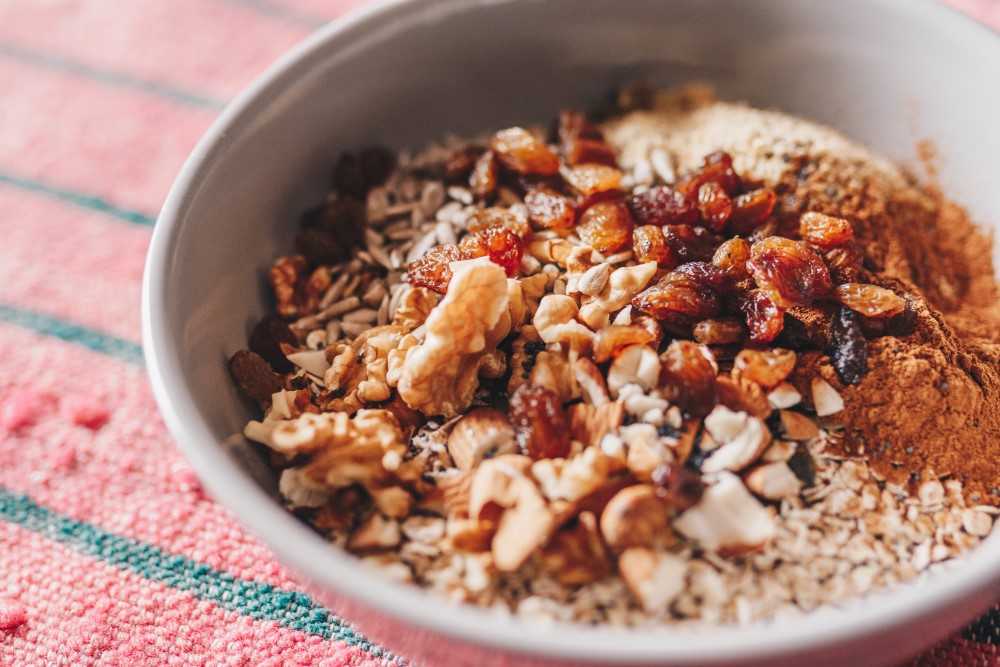
- Oats: Oats are a great source of complex carbohydrates, which provide a slow and steady release of energy throughout the day. Oats also contain iron, fiber, and protein, which are all essential for a healthy diet.
- Fatty fish: Fatty fish like salmon, tuna, and sardines are rich in omega-3 fatty acids, which can help reduce inflammation and improve brain function. These fatty acids can also be beneficial for the development of the baby’s brain.
- Nuts and seeds: Nuts and seeds like almonds, walnuts, chia seeds, and flaxseeds are a great source of healthy fats, protein, and fiber. These nutrients can help keep energy levels stable and improve overall health.
- Dark leafy greens: Dark leafy greens like spinach and kale are packed with vitamins and minerals like iron, calcium, and magnesium. These nutrients can help improve energy levels and support bone health.
- Berries: Berries like strawberries, blueberries, and raspberries are a great source of antioxidants, which can help protect the body from damage caused by free radicals. Berries are also a good source of fiber and vitamin C, which can help improve energy levels and boost the immune system.
- Lean protein: Lean protein sources like chicken, turkey, lean beef, and tofu are essential for a healthy diet. Protein helps repair and build tissues in the body, including those in the breasts and milk ducts.
- Whole grains: Whole grains like brown rice, quinoa, and whole wheat bread are a great source of complex carbohydrates, fiber, and B vitamins. These nutrients can help improve energy levels and support overall health.
- Legumes: Legumes like lentils, beans, and chickpeas are a good source of plant-based protein, fiber, and iron. These nutrients can help improve energy levels and support a healthy digestive system.
- Water: Drinking enough water is essential for breastfeeding mothers to stay hydrated and maintain energy levels. Dehydration can lead to fatigue and other health problems.
Breast milk is an excellent source of nutrition for infants, providing all the necessary nutrients for growth and development. What the mother eats can significantly impact the composition of breast milk and the health of the baby. Nutrients, vitamins, and minerals from the mother’s diet are transferred to the baby through breast milk. For example, if the mother eats foods rich in vitamin A, such as carrots or sweet potatoes, her breast milk will contain higher levels of vitamin A, which is important for vision, immunity, and skin health in the baby. Similarly, if the mother consumes foods high in omega-3 fatty acids, such as fatty fish or nuts, her breast milk will contain higher levels of these important nutrients, which are essential for brain and eye development in the baby. Therefore, it’s essential for breastfeeding mothers to eat a healthy and varied diet to ensure the best possible nutrition for their baby.
Nutrients That Might Be Depleted While Breastfeeding
It is important to note that there are certain nutrients that can become depleted while breastfeeding. The body requires additional nutrients during this time to support milk production and the baby’s growth and development. Here are some nutrients that breastfeeding mothers may be at risk of becoming deficient in:
- Iron: Iron is essential for the production of hemoglobin, which carries oxygen in the blood. Breastfeeding mothers require more iron to support milk production and to replace the iron lost through bleeding during childbirth. Iron deficiency can lead to fatigue, weakness, and anemia.
- Vitamin D: Vitamin D is important for bone health and immune function. Breastfeeding mothers who are deficient in vitamin D may not have enough to pass on to their babies through breast milk, which can lead to vitamin D deficiency in the baby. Vitamin D deficiency can lead to weakened bones and an increased risk of infections.
- Calcium: Calcium is essential for strong bones and teeth. Breastfeeding mothers may require more calcium to support milk production and to replace the calcium lost through breast milk. Calcium deficiency can lead to weakened bones and teeth.
- B vitamins: B vitamins are essential for energy metabolism and nervous system function. Breastfeeding mothers may require more B vitamins to support milk production and to meet the increased demand for energy during this time. B vitamin deficiency can lead to fatigue, weakness, and neurological problems.
- Omega-3 fatty acids: Omega-3 fatty acids are important for brain and eye development in infants. Breastfeeding mothers may require more omega-3 fatty acids to pass on to their babies through breast milk. Omega-3 fatty acid deficiency can lead to neurological problems in infants.
To prevent nutrient deficiencies while breastfeeding, it’s important for mothers to eat a balanced and nutrient-dense diet, and to supplement with any nutrients that may be lacking. Iron-rich foods include red meat, poultry, seafood, beans, and fortified cereals. Vitamin D-rich foods include fatty fish, egg yolks, and fortified dairy products. Calcium-rich foods include dairy products, leafy green vegetables, and fortified foods. B vitamin-rich foods include lean protein, whole grains, and leafy green vegetables. Omega-3 fatty acid-rich foods include fatty fish, flaxseed, and chia seeds. Additionally, it may be necessary for breastfeeding mothers to take a multivitamin or specific supplements to ensure adequate intake of all essential nutrients.
Eating a balanced and nutrient-dense diet is crucial for breastfeeding mothers to maintain energy levels and overall health. Incorporating foods like oats, fatty fish, nuts and seeds, dark leafy greens, berries, lean protein, whole grains, legumes, and water into the diet can be beneficial, as previously mentioned. Additionally, it’s important to listen to the body and eat when hungry, as breastfeeding can increase the body’s demand for nutrients. Getting plenty of rest is important for a new mother, too!
