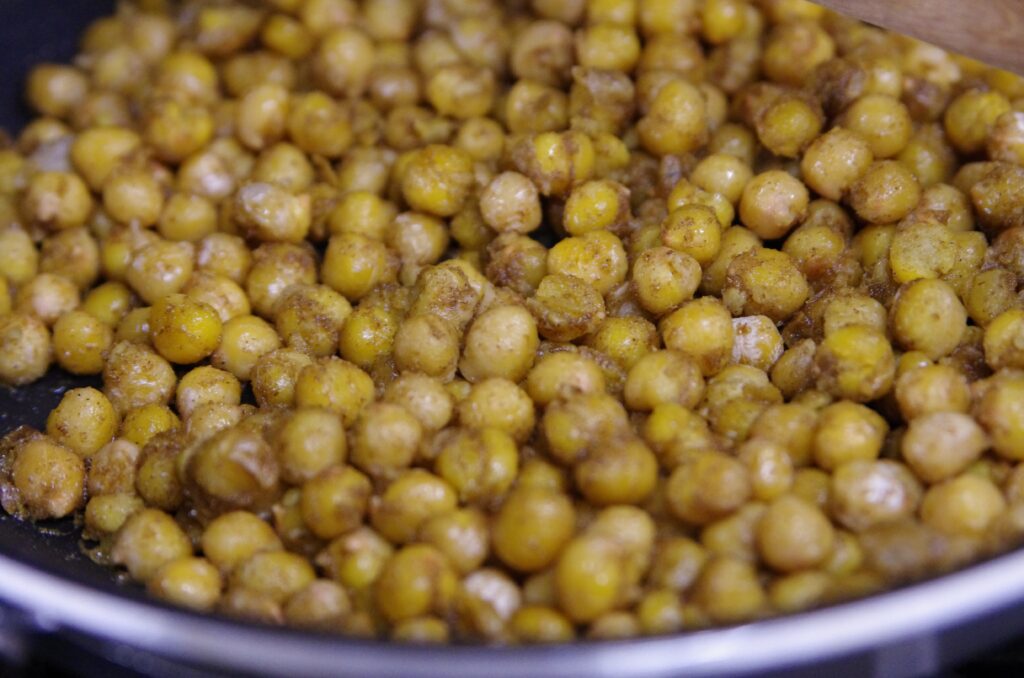
Credits to Kyle Killam
Beans are a nutrient-dense and energizing food that can provide sustained energy throughout the day. Beans are rich in complex carbohydrates, fiber, protein, and a variety of vitamins and minerals that are important for overall health and wellbeing. In this article, we will explore the best types of beans to eat for energy and how they can support overall health.
- Black Beans: Black beans are a great source of complex carbohydrates, fiber, and protein, which can help to sustain energy levels throughout the day. Black beans are also rich in iron, a mineral that is important for energy production and can help to reduce fatigue.
- Chickpeas: Chickpeas are another great source of complex carbohydrates, fiber, and protein, and are a staple in many plant-based diets. Chickpeas are also rich in vitamin B6, which is important for energy production and can help to improve mental clarity.
- Kidney Beans: Kidney beans are a good source of complex carbohydrates, fiber, and protein, and are also rich in iron and magnesium, which are important for energy production and can help to reduce fatigue and improve mental clarity.
- Lentils: Lentils are a nutrient-dense and energizing food that can provide sustained energy throughout the day. Lentils are a good source of complex carbohydrates, fiber, and protein, and are also rich in iron, folate, and magnesium, which are important for energy production and can help to reduce fatigue.
- Navy Beans: Navy beans are a great source of complex carbohydrates, fiber, and protein, and are also rich in iron, folate, and magnesium, which can help to support energy levels and reduce fatigue.
- Pinto Beans: Pinto beans are a good source of complex carbohydrates, fiber, and protein, and are also rich in iron and magnesium, which are important for energy production and can help to reduce fatigue.
- Adzuki Beans: Adzuki beans are a nutrient-dense and energizing food that can provide sustained energy throughout the day. Adzuki beans are a good source of complex carbohydrates, fiber, and protein, and are also rich in iron and magnesium, which can help to support energy levels and reduce fatigue.
- Lima Beans: Lima beans are a good source of complex carbohydrates, fiber, and protein, and are also rich in iron, magnesium, and potassium, which can help to support energy levels and reduce fatigue.
- Green Beans: Green beans are a low calorie and nutrient-dense vegetable that can provide sustained energy throughout the day. Green beans are a good source of complex carbohydrates, fiber, and protein, and are also rich in vitamins and minerals that are important for overall health and wellbeing.
- Soybeans: Soybeans are a great source of complex carbohydrates, fiber, and protein, and are also rich in iron, magnesium, and potassium, which can help to support energy levels and reduce fatigue. Soybeans are also a complete protein source, meaning that they contain all of the essential amino acids that are important for muscle function and overall health.
Other Health Benefits of Beans
In addition to their energizing properties, beans offer a variety of other health benefits. Here are some of the key benefits of beans:
- Promote heart health: Beans are rich in soluble fiber, which can help to reduce cholesterol levels and improve heart health. Studies have shown that incorporating beans into a healthy diet can help to reduce the risk of heart disease and other cardiovascular problems.
- Support digestive health: Beans are a great source of fiber, which can help to support digestive health and reduce the risk of digestive problems like constipation and diverticulitis. The fiber found in beans also helps to promote healthy gut bacteria and support overall gut health.
- Regulate blood sugar: Beans are a low glycemic index food, which means they do not cause a rapid spike in blood sugar levels. This makes them a great food choice for individuals with diabetes or anyone looking to regulate their blood sugar levels.
- Support weight management: Beans are a nutrient-dense and filling food that can help to promote feelings of fullness and reduce overall calorie intake. Incorporating beans into a healthy diet can help to support weight management and reduce the risk of obesity and related health problems.
- Boost immune function: Beans are rich in antioxidants and other nutrients that can help to support immune function and reduce inflammation. This can help to reduce the risk of chronic diseases like cancer, diabetes, and autoimmune disorders.
- Support bone health: Beans are a good source of calcium, magnesium, and other minerals that are important for bone health. Regular consumption of beans can help to improve bone density and reduce the risk of osteoporosis and other bone-related problems.
- Improve brain function: The nutrients found in beans, including B vitamins and omega-3 fatty acids, can help to support brain function and improve cognitive performance. Regular consumption of beans may also reduce the risk of age-related cognitive decline and other brain-related problems.
- Lower the risk of certain cancers: The high fiber and antioxidant content of beans may also help to reduce the risk of certain types of cancer, including colon, breast, and prostate cancer. Some studies have found that regular consumption of beans may be associated with a lower risk of these cancers.
- Reduce the risk of depression: Beans are a good source of tryptophan, an amino acid that is important for the production of serotonin, a neurotransmitter that plays a role in mood regulation. Consuming foods that are rich in tryptophan, such as beans, may help to reduce the risk of depression and improve overall mood and wellbeing.
Beans are a nutrient-dense and energizing food that can provide sustained energy throughout the day. Black beans, chickpeas, kidney beans, lentils, navy beans, pinto beans, adzuki beans, lima beans, green beans, and soybeans are all great options for those looking to incorporate more beans into their diet. By incorporating a variety of beans into a balanced diet, individuals can enjoy the many benefits of this delicious and energizing food while supporting their overall health and wellbeing.
